Introduction
Commercial restaurant equipment forms the backbone of every successful kitchen, whether in a bustling café, an elegant fine dining establishment, or a neighbourhood eatery. In Singapore, where culinary heritage intertwines with global innovation, the tools a chef chooses shape not just efficiency but the very soul of the food that emerges. Just as history has shown how technology alters civilisation, so too does equipment redefine the modern kitchen.
The Foundations of a Professional Kitchen
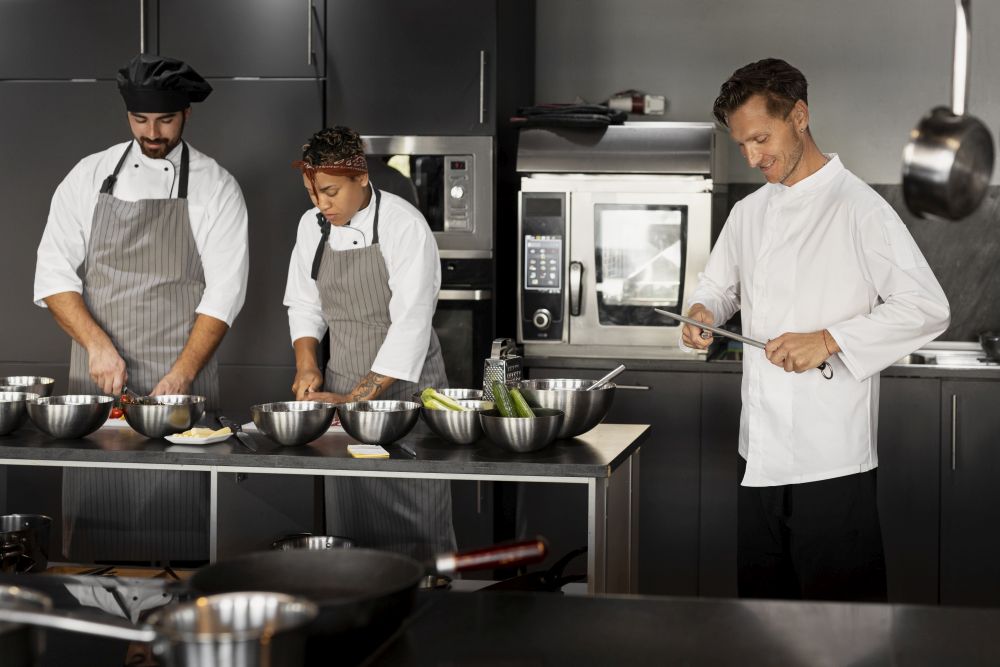
The heart of any restaurant is its kitchen, and the equipment therein determines its pulse. Ovens, refrigeration units, ranges, fryers and preparation stations are not mere instruments but the orchestra through which culinary artistry finds expression. Without reliable equipment, even the finest chefs are left hamstrung, their potential curbed by inefficiency.
One Singaporean chef remarked: “The right equipment allows me to focus on flavour, not on fixing problems. It is my assurance that the rhythm of service never falters.”
Efficiency and Time as Currency
In hospitality, time is a currency more precious than gold. Every second saved in preparation allows more attention for presentation and service. Commercial restaurant equipment enables chefs to plan ahead, maintain consistency, and cope with the ebb and flow of customers.
-
Rapid cooking methods ensure shorter waiting times
-
Advanced refrigeration preserves freshness for longer
-
Ergonomic designs reduce strain for staff
-
Reliable machinery minimises costly breakdowns
In Singapore’s competitive dining scene, these margins spell the difference between survival and acclaim.
Technology and Innovation in Modern Kitchens
The evolution of equipment has kept pace with the demands of an increasingly discerning clientele. Intelligent ovens that regulate humidity, induction cookers that optimise safety, and energy-efficient refrigeration all exemplify how technology serves craft.
Many contemporary pieces are designed with intuitive controls, allowing precision without excessive training. This ensures not only efficiency but also consistency, the hallmark of any reputable dining establishment. In Singapore, where kitchens are often compact, manufacturers design equipment that saves space without sacrificing output.
Why Quality Matters Beyond the Plate
Good food is more than taste; it is texture, aroma and presentation. Poor equipment diminishes all three. Traditional storage may rob vegetables of crispness, while inadequate ovens strip roasts of their succulence. Reliable equipment, by contrast, preserves the chef’s vision from conception to service.
One local culinary voice captured this truth: “Commercial equipment does not simply assist me; it protects my craft.” Such testimony underscores that these tools are not luxuries but essentials.
The Versatility of Equipment Across Cuisines
Commercial restaurant equipment is not confined to one tradition. It adapts to the diverse foodscape of Singapore, where Malay, Chinese, Indian and Western influences blend in daily menus.
-
Grills and roasters
Perfect for satay, kebabs and roast meats
-
Steamers
Essential for dim sum, dumplings and delicate fish
-
Fryers
From tempura to local goreng dishes, crispness relies on precision
-
Refrigeration units
Safeguard everything from seafood to tropical fruits
-
Mixers and processors
Ideal for both pastries and spice blends
The adaptability of equipment allows chefs to cross borders without leaving their kitchen.

Sustainability in the Professional Kitchen
No discussion of modern kitchens can avoid sustainability. Rising energy costs and environmental concerns compel restaurants to seek equipment that reduces waste and lowers consumption.
Energy-efficient ovens and refrigerators, alongside water-saving dishwashers, now define the responsible kitchen. Beyond the environmental gain, this translates into financial prudence, lowering overheads without compromising standards. For an industry often operating on thin margins, such savings are not just preferable but necessary.
Experiences from Singapore’s Culinary Scene
Across the island, restaurateurs share stories of transformation after upgrading their kitchens. Quicker service, reduced spoilage, and elevated customer satisfaction all stem from investing in the right tools.
As one restaurateur noted: “When equipment works with us rather than against us, creativity flourishes. We no longer chase problems; we create solutions on the plate.”
This sentiment is repeated in both fine dining and hawker contexts, a reminder that good equipment benefits all, regardless of scale or price point.
The Long-Term Value of Investment
While the upfront cost of high-quality equipment may seem steep, it must be weighed against years of reliable service. Downtime from breakdowns not only burdens finances but erodes trust among customers. Investing in dependable equipment ensures continuity, safety and reputation.
Moreover, robust machinery supports healthier kitchens by reducing risks from poorly stored food or inconsistent cooking. For chefs, this is peace of mind; for diners, it is confidence in every bite.
Training and Human Connection
Equipment alone does not create excellence. It requires skilled hands to guide it. Yet, when staff are given the right tools, their morale rises, and their work becomes smoother. Ergonomic designs protect health, automated systems lighten labour, and intuitive interfaces reduce error. In this way, equipment strengthens not just kitchens but communities of cooks.
Final Reflections
History reminds us that technology has always altered how societies prepare and share meals. From the hearth to the modern induction hob, each step has elevated our relationship with food. Today’s commercial restaurant equipment embodies that tradition of progress, marrying science with artistry.
It offers chefs security in safety, consistency in quality and freedom to explore their creativity. For Singapore’s kitchens, whether humble or grand, these tools are indispensable. To thrive in a competitive culinary world, one must invest not just in ingredients but in the very machinery that brings them to life. For this reason, no modern kitchen can truly succeed without dependable commercial restaurant equipment.